From Rosters to Murder: Aesthetics, Clout, and Ideology in the Com Network


When the Religion Scholar Says Ideology is not Important
One of the main questions I have gotten from practitioners and law enforcement over the past few months has been: what is the ideology of 764 and The Com Network, and what drives these minors to commit such sadistic acts of violence?
When talking about the Com Network it is important to realize that, though ideological elements are present, it is not the primary motivator of behavioral change or motivator for acts of violent extremism within the network. Rather, as I’ve written about in the past, clout and clout chasing are the most significant motivators of criminal activity and behavioral change for members of 764 and the Com Network. The need for popularity and to promote their criminal activity is what motivates them the most to carry out the most sadistic acts of violence.
The second most important element that motivates individuals in the Com Network are real or perceived grievances. According to court records I have reviewed, Discord and Telegram logs, personal statements of victims, as well as my observations of individuals communicating within the network, the majority of individuals are recruited into the Com Network due to some form of trauma, have suffered some form of abuse, are struggling with mental or emotional issues, or hold a plethora of other possible risk factors that make them vulnerable to being victimized or to mobilize them to carry-out sadistic and nihilictic acts of violence.
When there is a manifestation of ideological elements, it varies differently between the different pillars of criminality of the Com Network. For example, if we take into consideration the way that I have previously separated the Com network into three pillars of criminality—Cyber Com, Sextortion Com, and Offline Com—ideology presents and manifests itself differently and the push and pull factors differ from community to community. Now, I want to be clear, this does not mean that ideology is not present; however, ideology plays a tertiary role within the network in the majority of instances. Additionally, ideology manifests itself quite differently within this network. It is important to remember that we are dealing with youths who are in their formative years seeking to construct their own identity and meaning in the world. There is a lot of experimentation and play with beliefs and practices, cultures and fandoms; however, in the majority of cases there is a lack of depth of knowledge of the ideologies they claim to uphold. For in reading the manifestos that have been produced by the Com Network, those who are part of Offline Com and focused on carrying out "IRL" (in real life) violence, may attribute more importance to ideology, but chasing that clout will still be the primary driver and motivator.
Clout
Within these communities, clout consistently emerges as the primary driver. Members, particularly younger ones, escalate behaviors not because they genuinely adhere to extremist beliefs but because they seek online attention, validation, and recognition. Acts like animal cruelty, graffiti, and IRL crimes serve as a form of social currency, intended to impress peers and raise status within the group hierarchy. There’s clear competition among youth to outperform each other, and the perception of risk—such as law enforcement intervention—is sometimes even seen as a badge of honor rather than a deterrent. This dynamic positions clout as the main incentive, overshadowing any ideological commitment.
Sextortion Com, Cyber Com, and Offline Com are all focused on clout chasing (being popular within their community) and documenting one's criminal successes by publishing videos and images of one’s acts. They push for the documentation and dissemination of their own violent acts, aiming to inspire and mobilize a new generation of extremists while terrorizing the general public. If the acts target a specific individual, the information is released in a “LoreBook.” These threat actors have entire archives dedicated to the acts they have carried out, have convinced others to do so in their names, or have been revered by those who worship them as a token of their dedication. These types of actions and multimedia serve as a form of cultural currency within these ecosystems. The influence and popularity of individuals rely heavily on the quality of one’s "content," the regular creation and generation of this content, and the extreme nature of the content (the more extreme it is, the more popularity points you get).
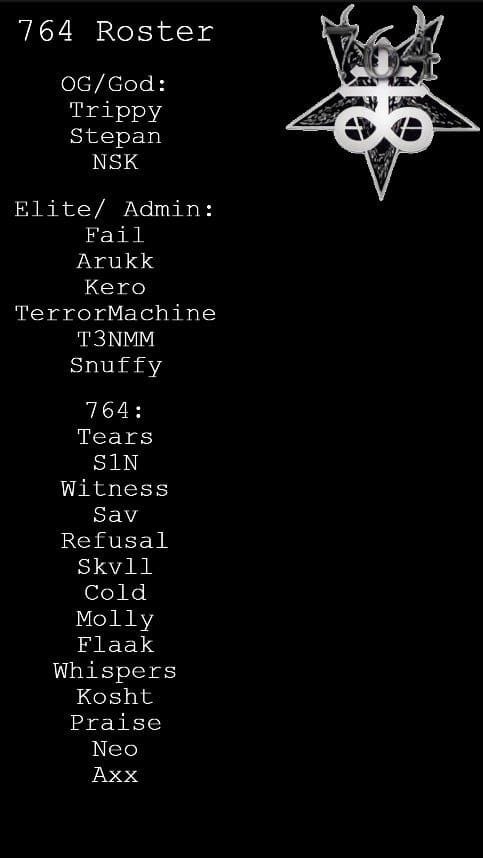
So, what is the value of a victim’s safety and well-being? What do the victimizers get that is so valuable to them that they are willing to commit some of the most atrocious acts? The heinous and traumatic acts victims are subjected to are done simply for the "lolz," for administrative privileges in a chat or server, for a special title or tag next to their username, to be put on a roster from one of the Com groups, or for access and entry into the most private and closed networks of these communities. These "rewards" sought by these minors are ephemeral, as titles can be removed or lost by an admin who thinks their content is lacking, or if they become a victim or get "cucked." There is a rapid reversal of power and popularity dynamics, yet nevertheless, the minor predators in this network are continuously chasing the next boost to their clout and popularity. Ninety-nine percent of these minors commit these acts with no ideological or political goal in mind—they do not wish to change society or take down a political entity. These acts by minors against other minors have no value or goal to these individuals; they are purely nihilistic, misanthropic, and seek to sow chaos for the sake of chaos. To gain access to the private servers and chats, to be part of a roster and get recruited by a named group, an individual needs to prove themselves by creating content, which means committing some kind of crime.
A Crash Course in Rosters
Official Rosters
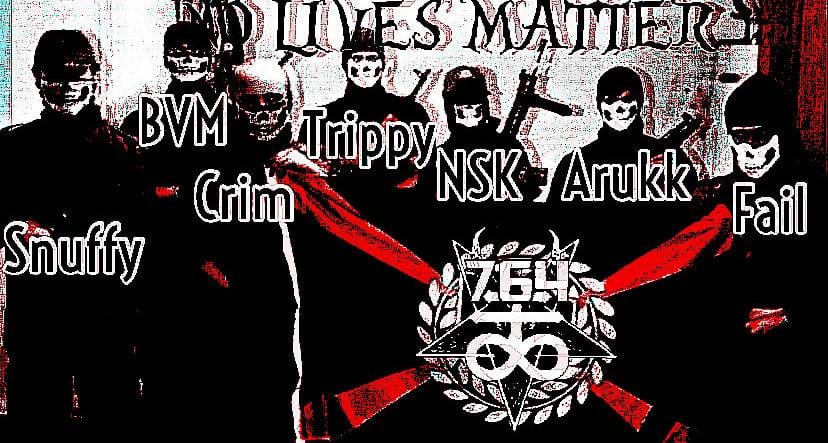
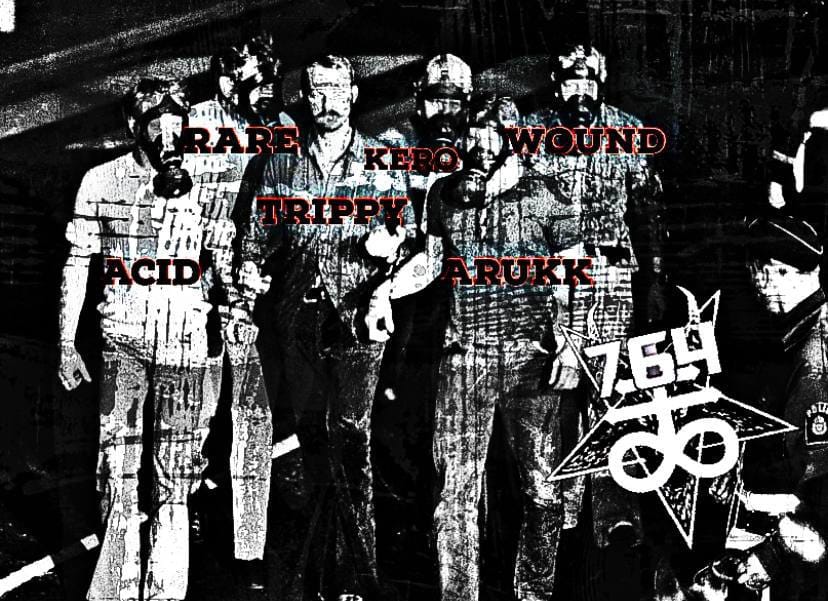
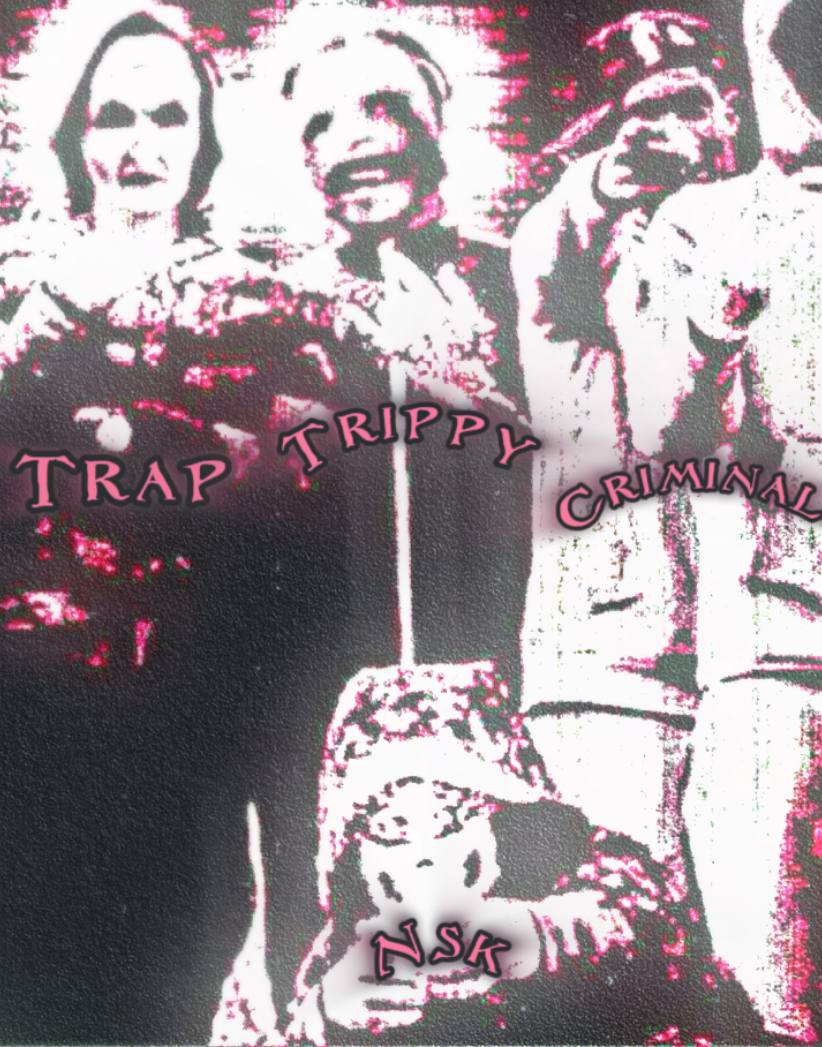
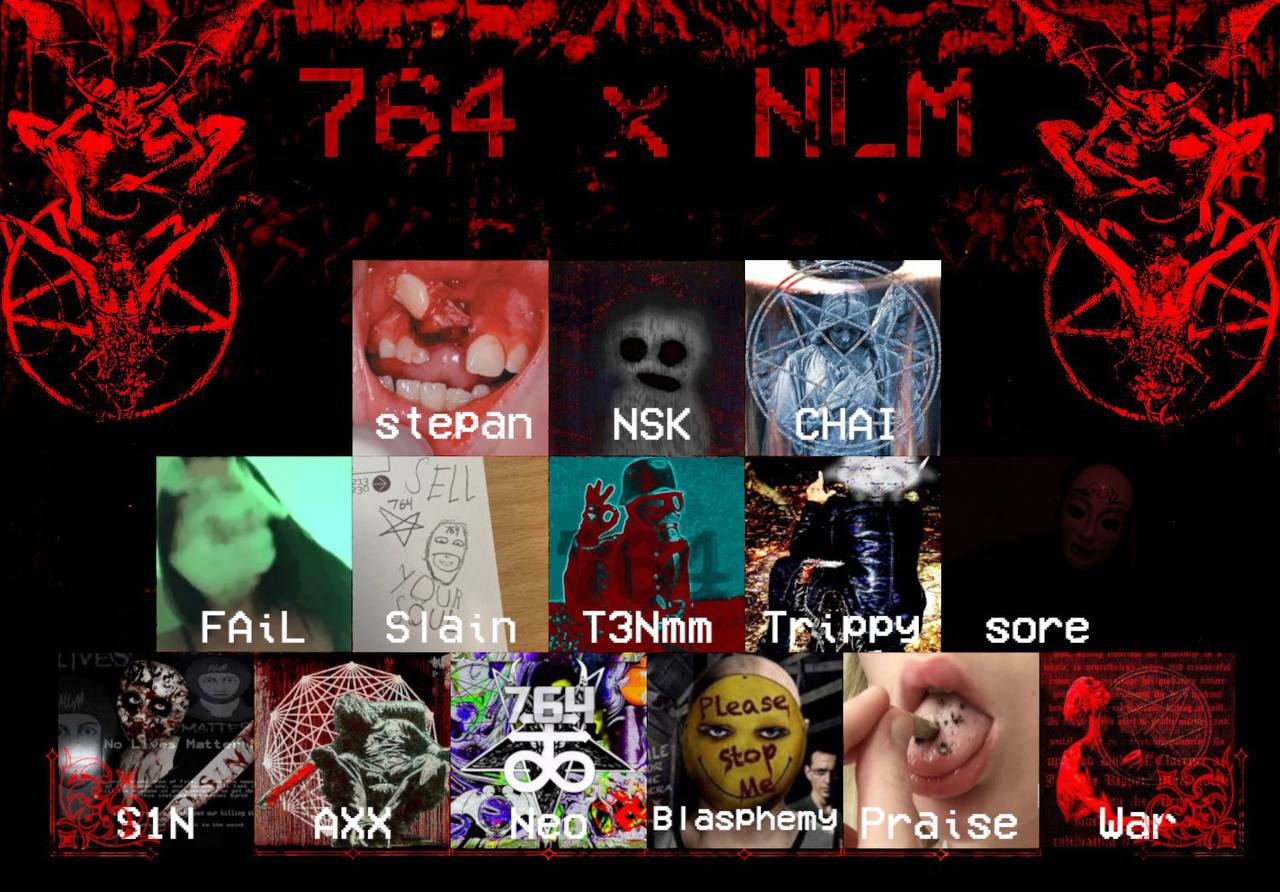
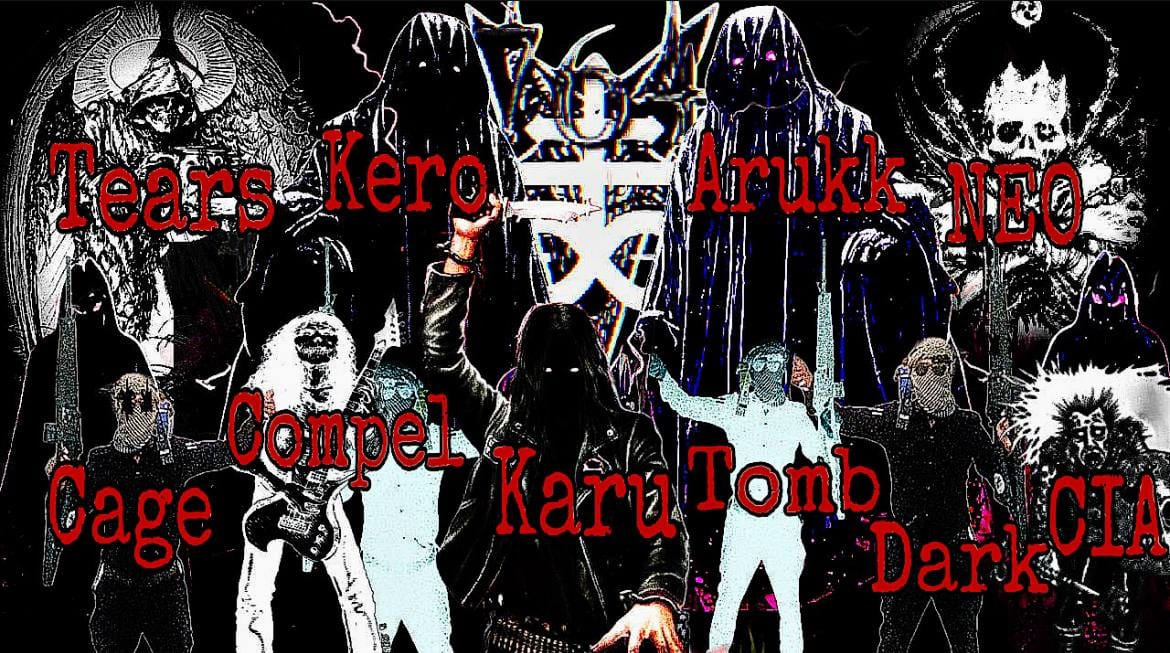
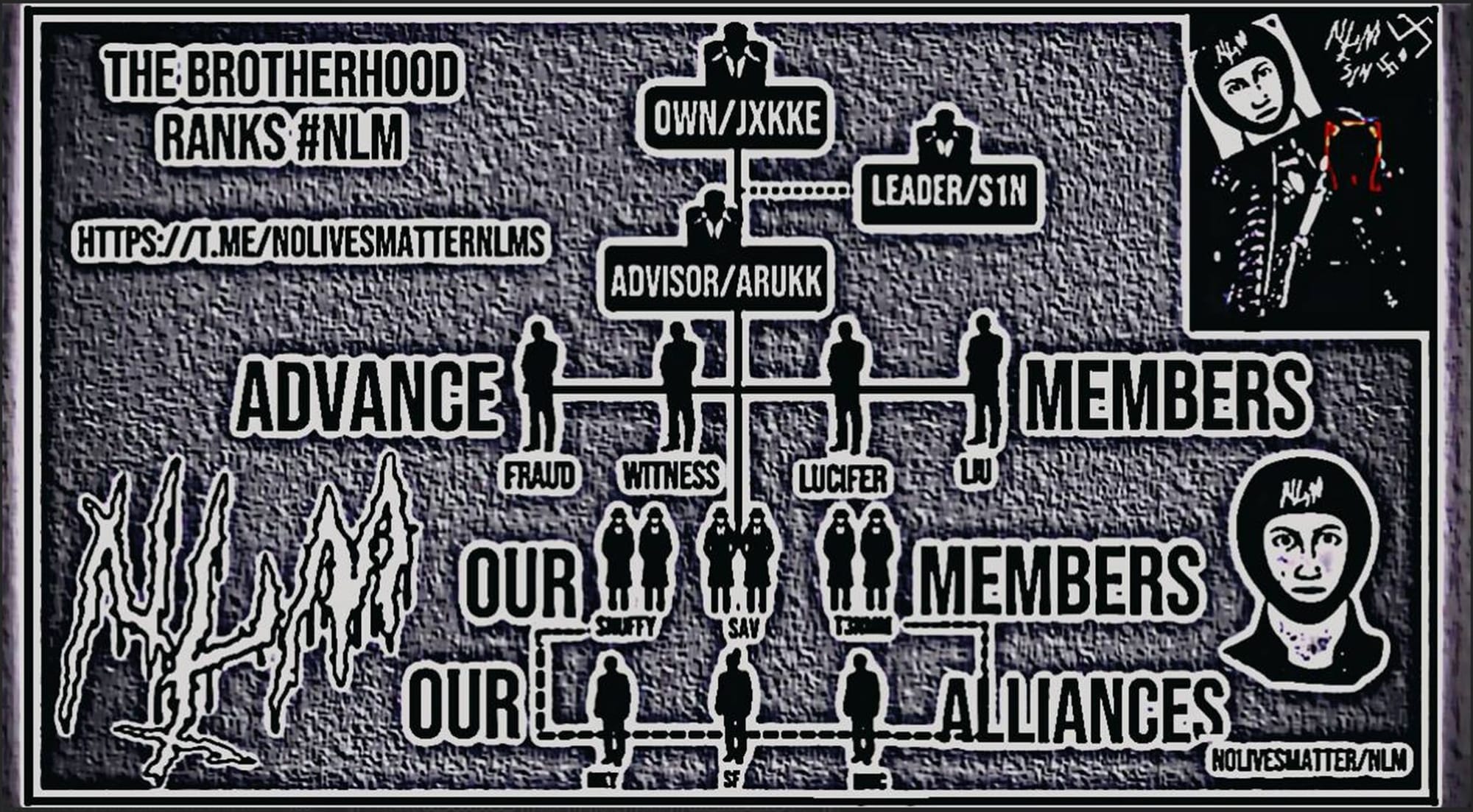
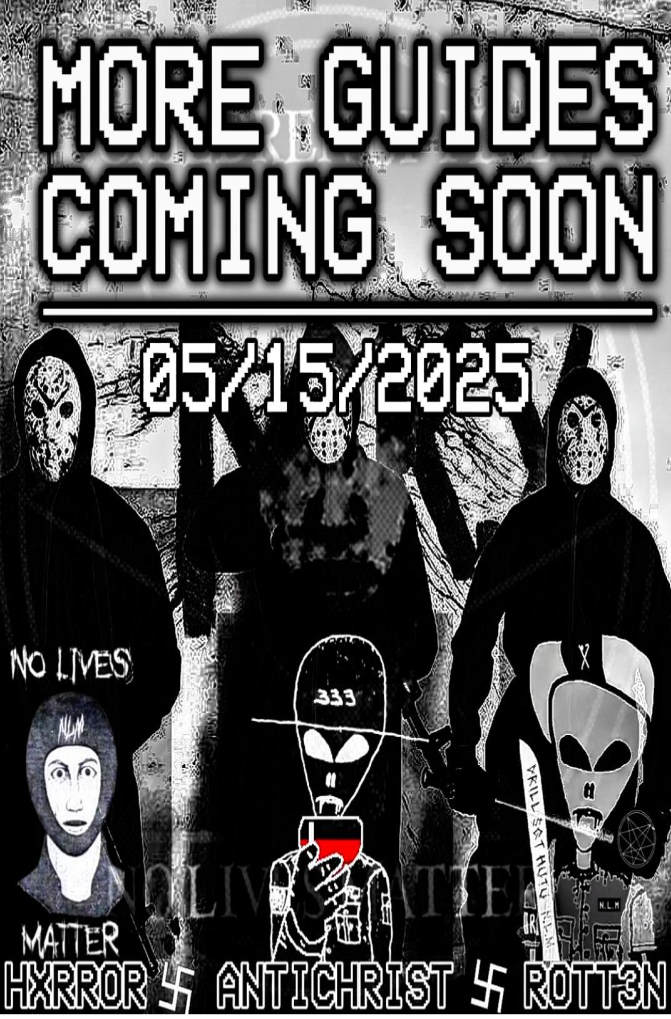
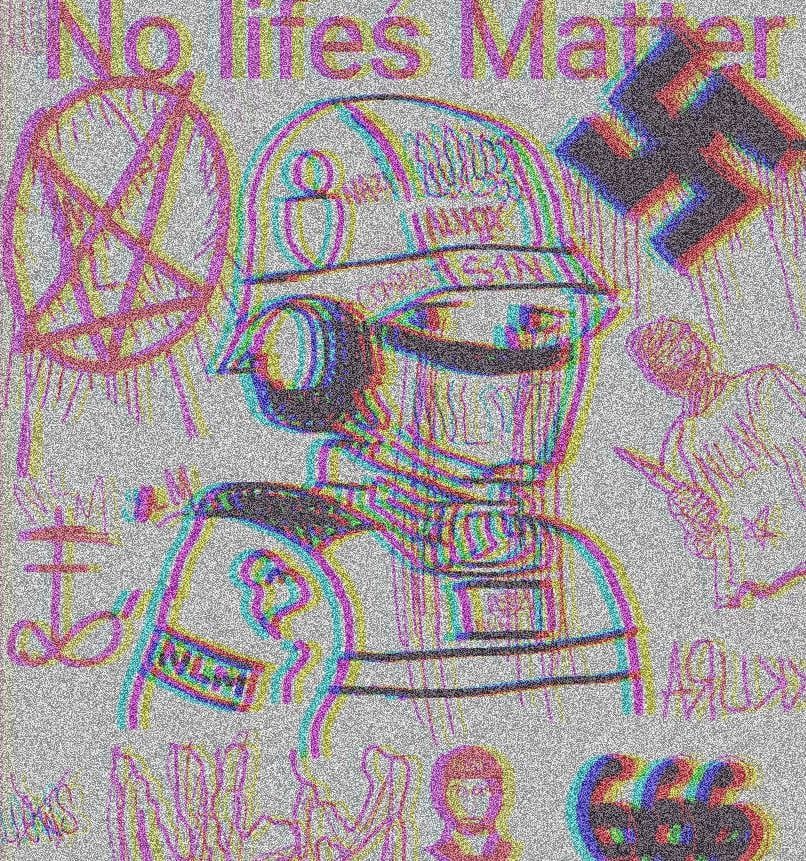
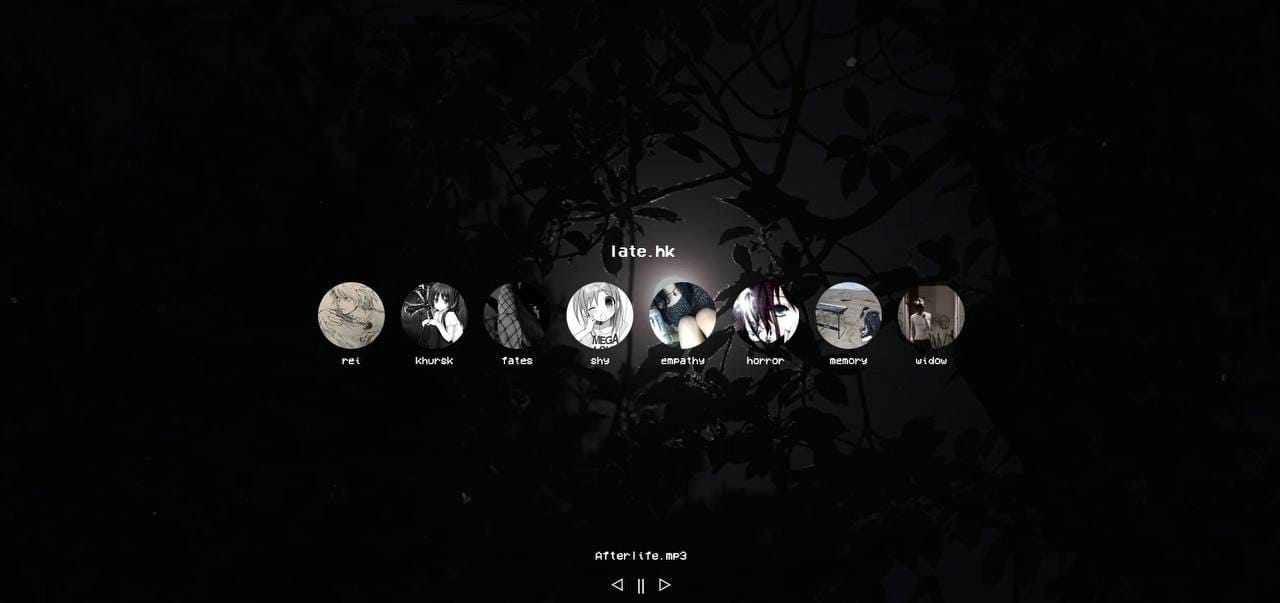
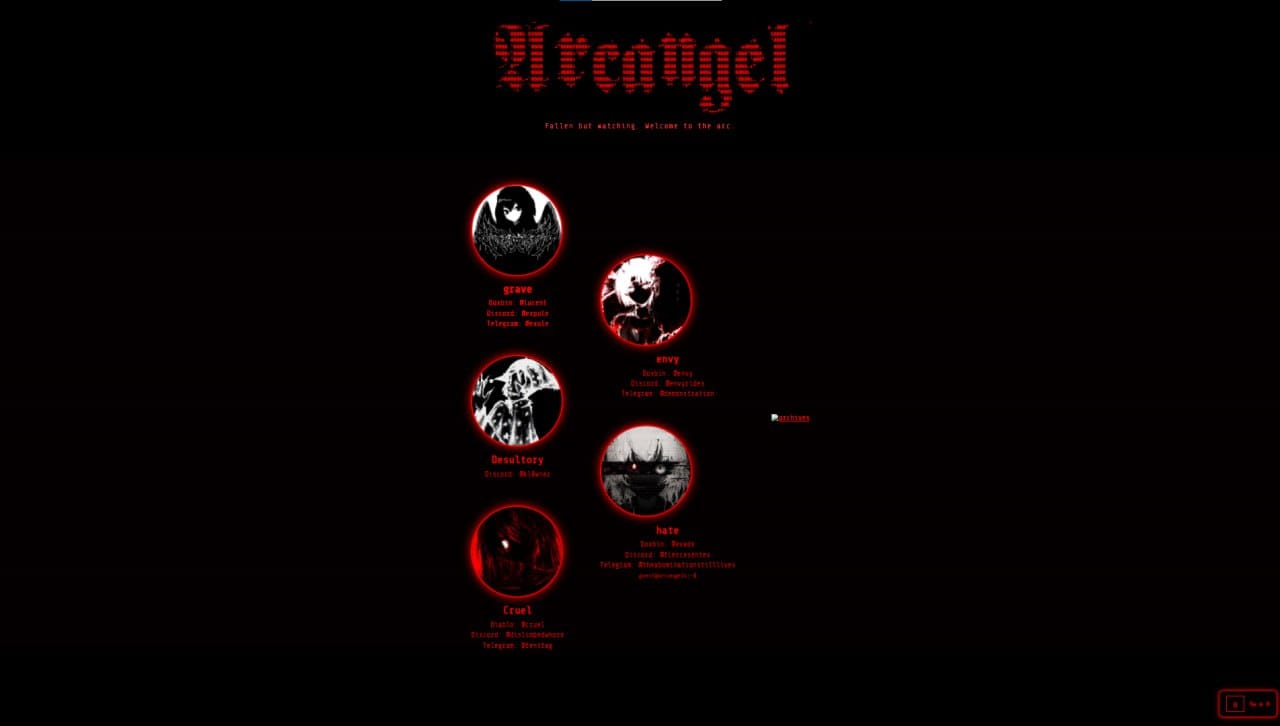
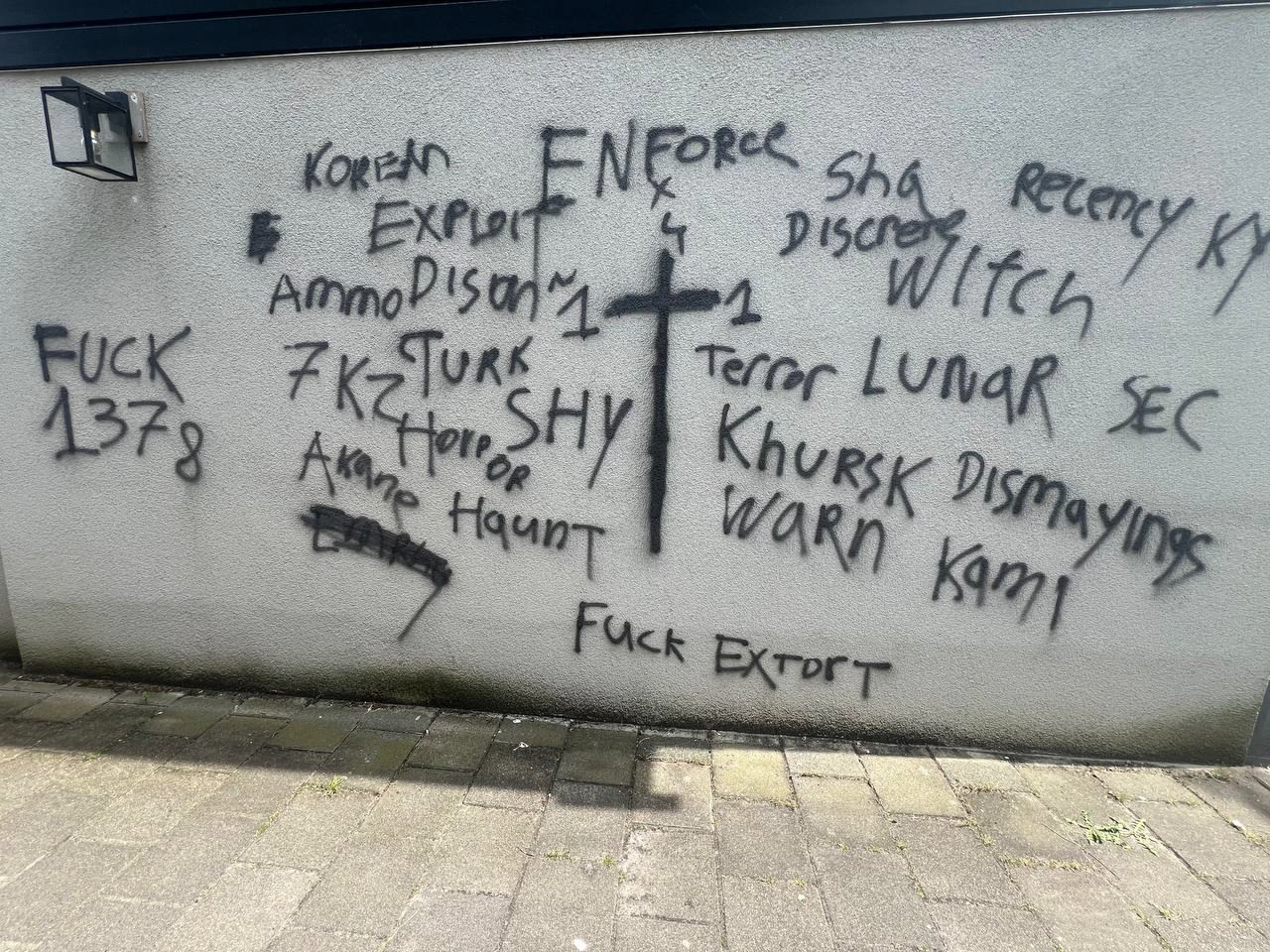
Formal groups in the Com Network (usually a specific telegram channel or discord server) are promoted and identified by a Roster, which is an image with the groups branding and the name of official members or a post by a server admin identifying the roster and role of members. A roster represents a snapshot in time of "named group X" and their vetted and/or active members indicating group affiliation, as well as violent extremist associates. There are internal politics to the Com Network with regards to who can or cannot "rep" (represent) a specific group.
Status in Com: Ownership, Leadership, and Revival
Group "os" (ownership) is a key element and can be passed on to another user and this is done though a post and presentation of a new roster by the new owner. Owners might also give permission to a user to lead a specific group while they still hold "os" (an important clout and status symbol). Users can also be given "permission" to revive a group, without being given ownership. The internal politics not withstanding, at a time you might have claim of groups and rosters being official or larping. In the grand scheme of things for those working in the field, it doesn't matter, but the reality is that this type of infighting will act as a motivating and escalating factor for those in these types of conflicts as they will try and out content each other.
Anti-Extortion, Anti-Pedo, Pedohunters
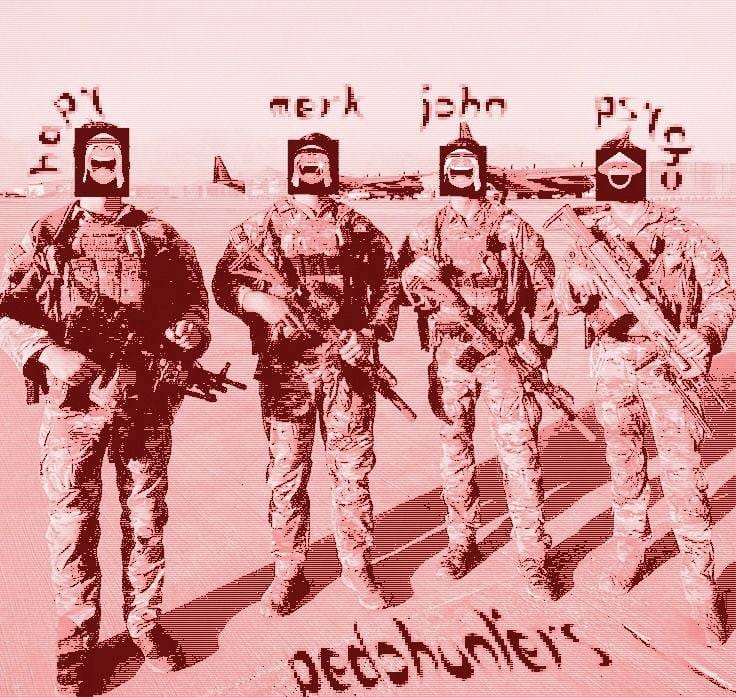
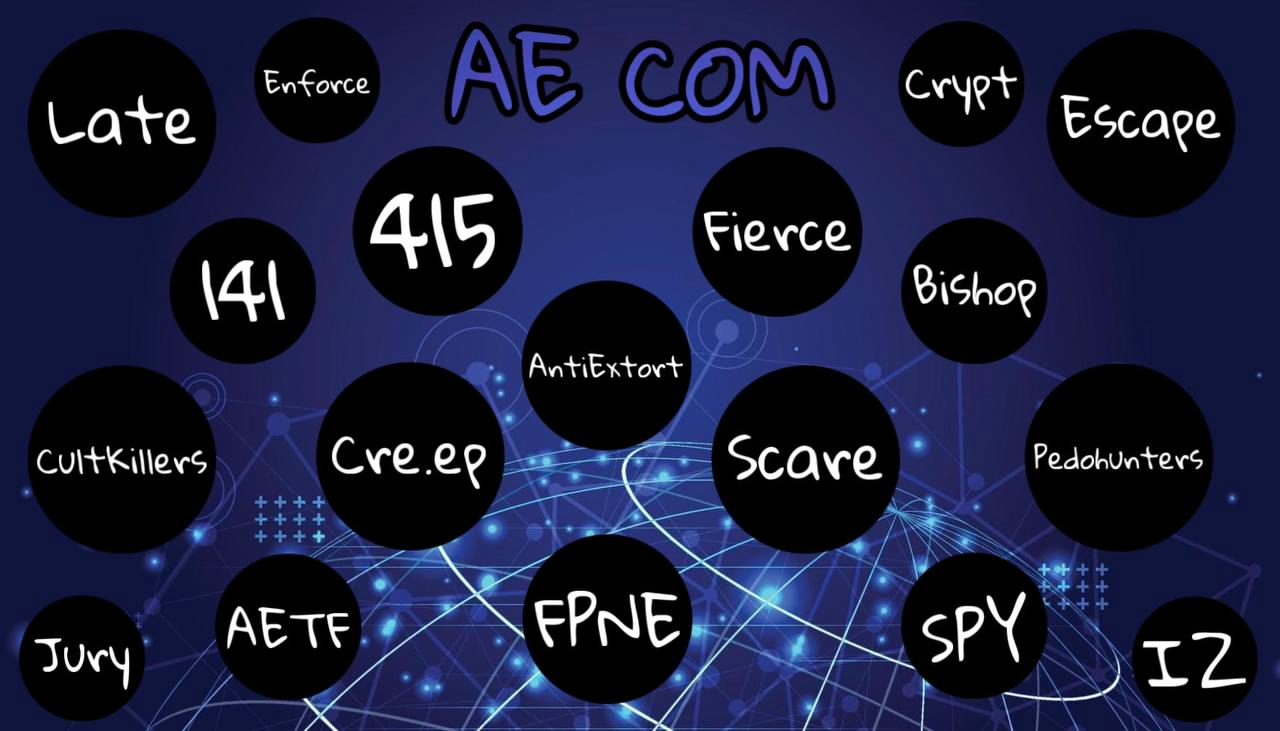
Within the Com Network there is an adjacent AE community (Anti-Extortion Com) focused on doxxing and exposing those who are in Extortion com. There are "former" com members that are in these groups after they "quit com". AE Com groups weaponize the pedophilia narrative to legitimize attacks on victims of the Com network, queer people and other scapegoats. Police have warned that premature exposure lets suspects destroy evidence, alerts wider offender networks, and diverts resources from high‑risk cases.
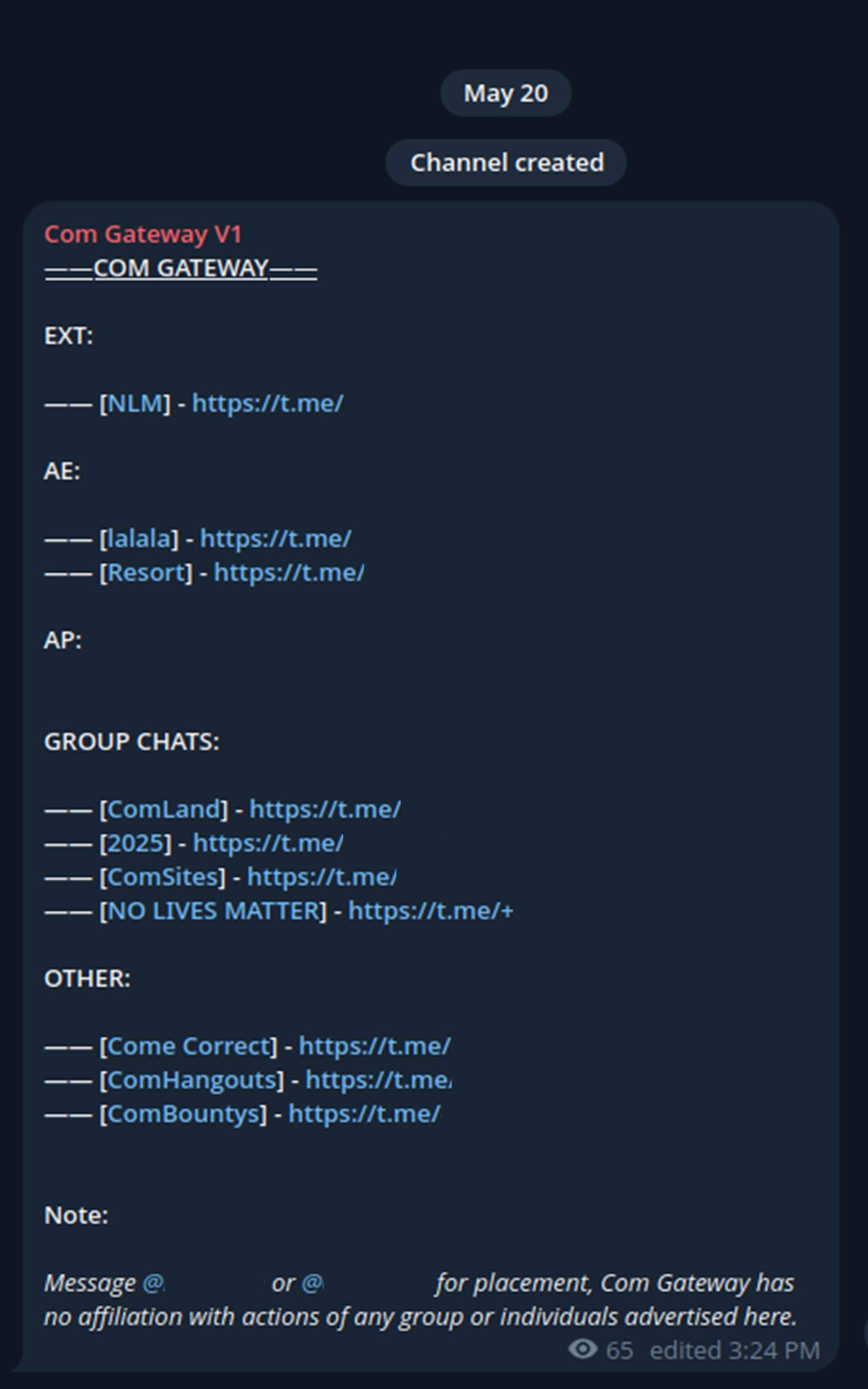
A new trend that is emerging with the revival of No Lives Matter (NLM) has been that the Admins of the main NLM announcement and chat on telegram are also behind/affiliated with anti-extortion, pedohunting and bounty chats and channels. Some of the anti-extortion groups in the NLM network will target the "enemies" and "adversaries" of NLM, but not those doing (s)extortion linked to their network. AE groups in this instance, are no longer a force of resistance, rather they have become another weapon in the arsenal of groups like NLM, who can use anti-extortion groups and actors to advance the groups overall nihilistic violent extremist goals
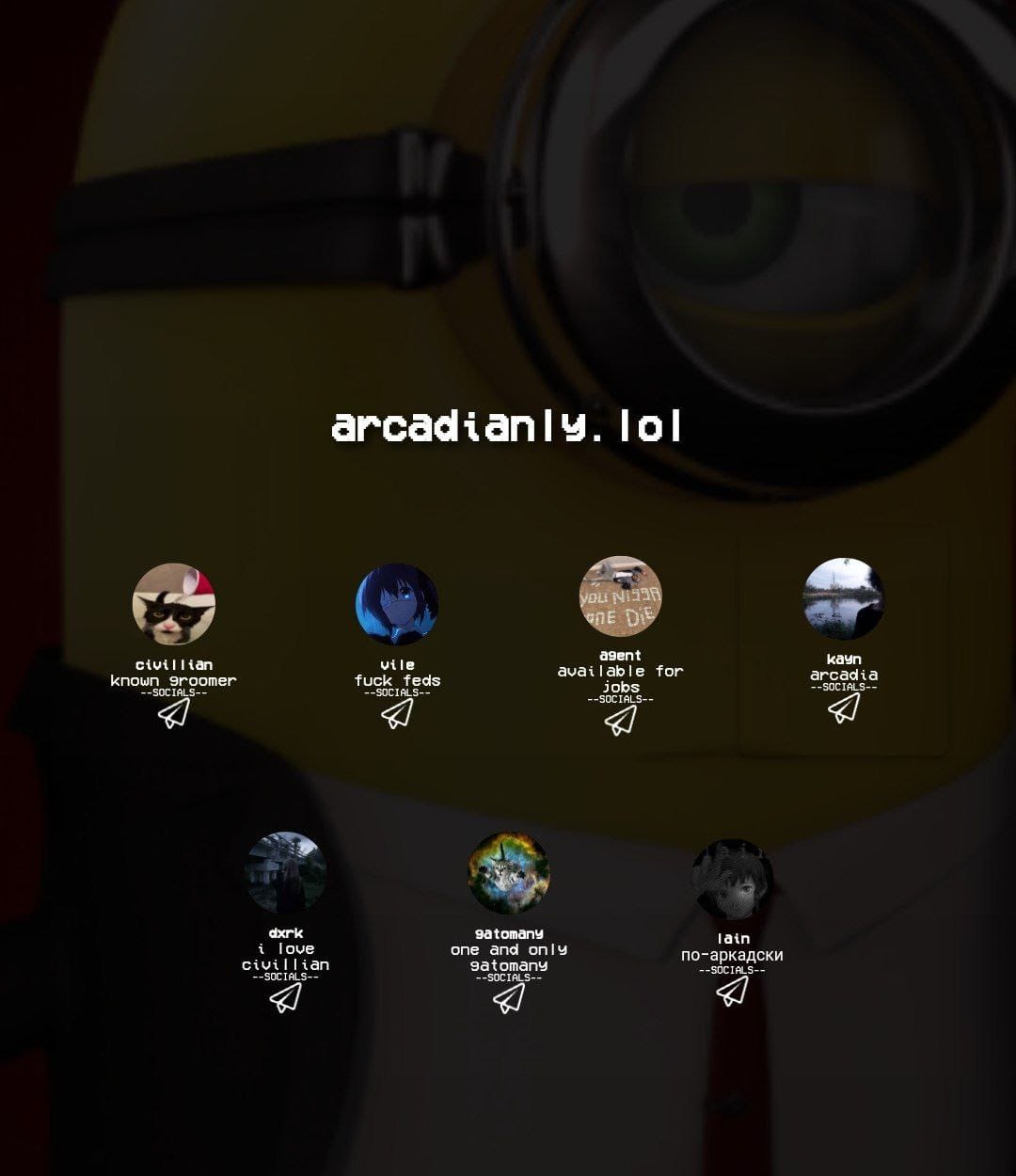
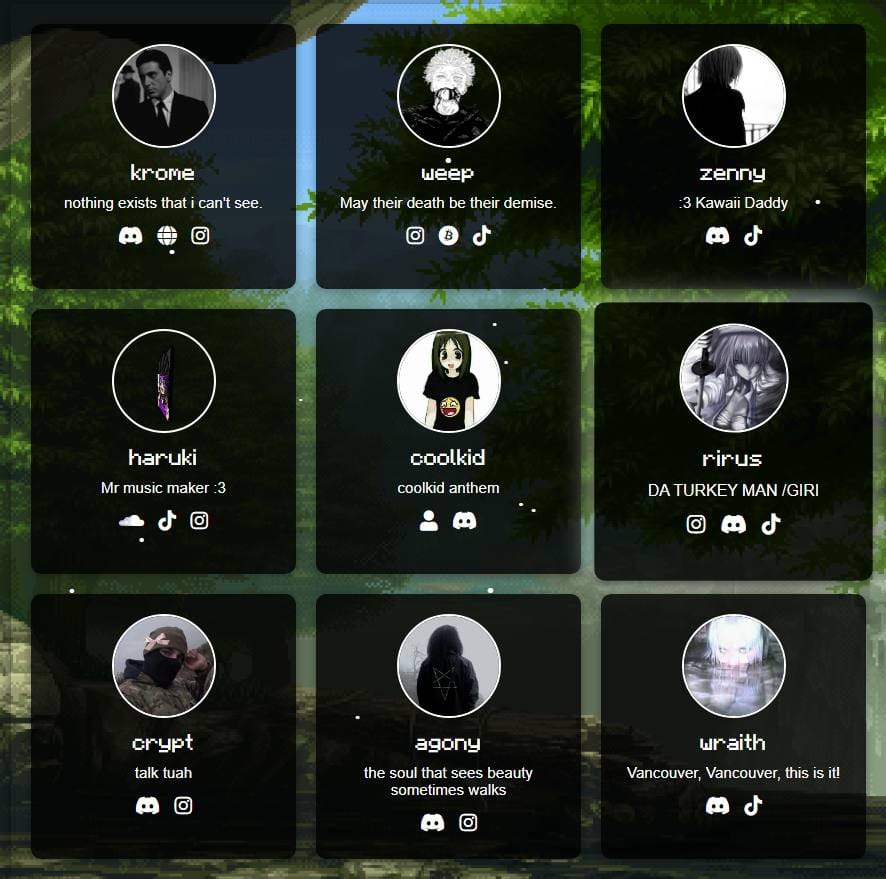
Finally, from an aesthetic perspective, the rosters for AE groups differ from (s)extortion and IRL Com groups. AE rosters are often formed of combined pfp bubbles on a .lol or .gun or similar landing page.
Victim based roster
Extortion Rosters
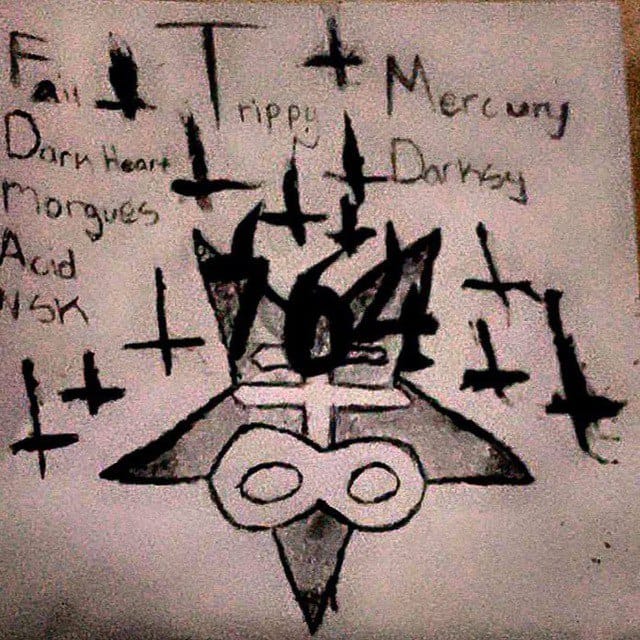
Extorsion Rosters are created in pen, flesh, blood and marker when content is (s)extorted from a victim. The victim roster is based on names found in self-harm imagery found in lorebooks or on the body of a victim. The names that are made by a victim will include the names of those that are in the discord livestream when the (s)extortion occurs. The user names in this context are strong indicators that these individuals names carved in a victims flesh or written in their blood, were present during the crime, or facilitated the crime. A cutsign or a bloodsign is something that is earned and not simply given. Therefore when extortion rosters are found in these ecosystems it indicates who and how many victimizers were participating in the cutstage or cutshow. This is the same for blood signs, where the names of those included in a blood sign are also victimizers.

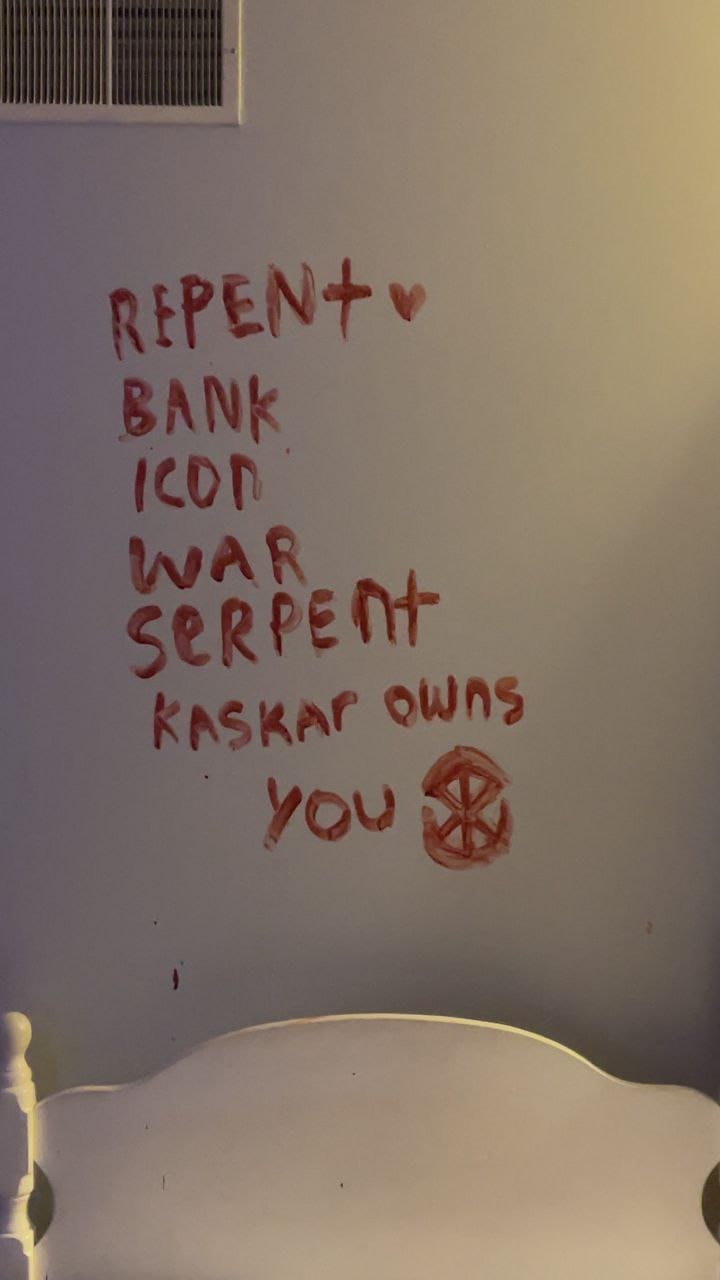
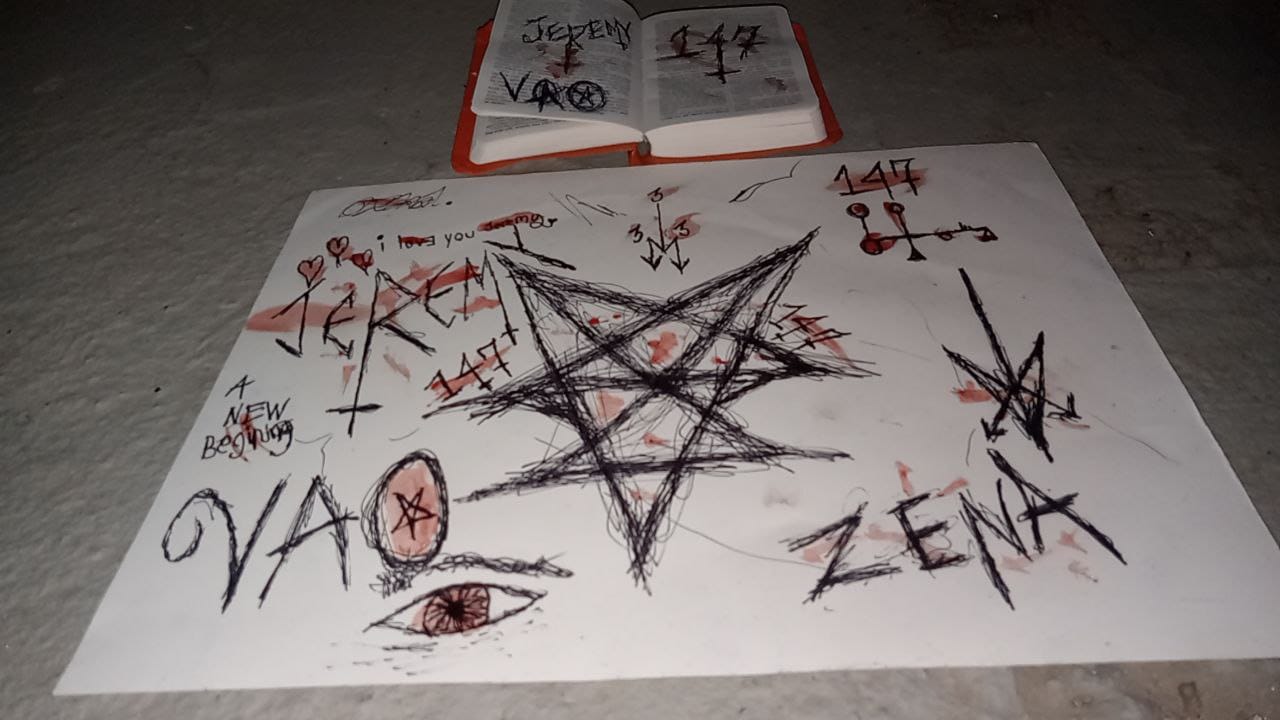
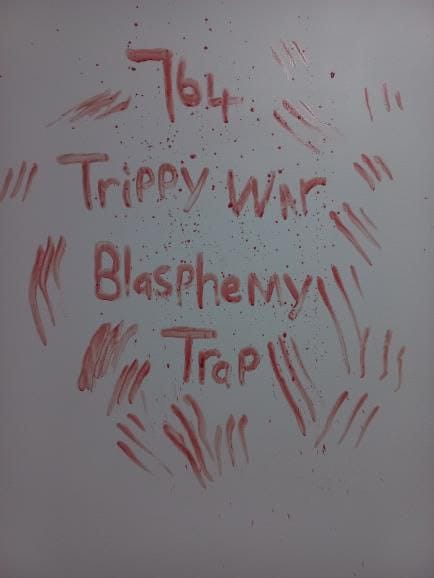
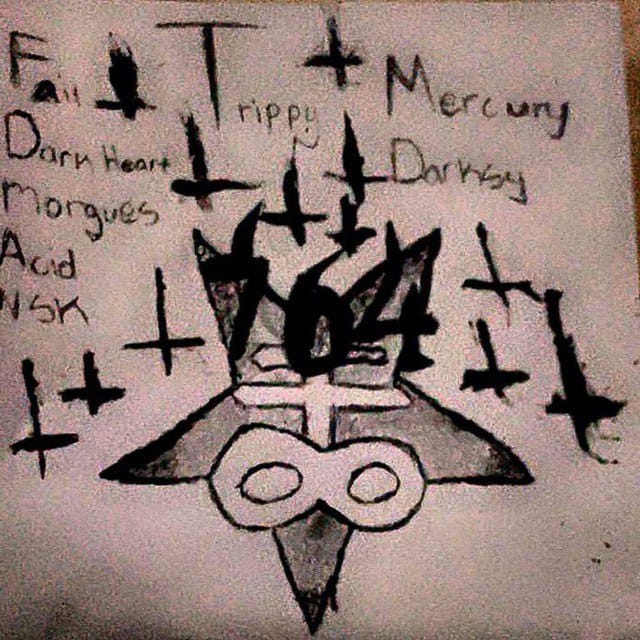
IRL Rosters
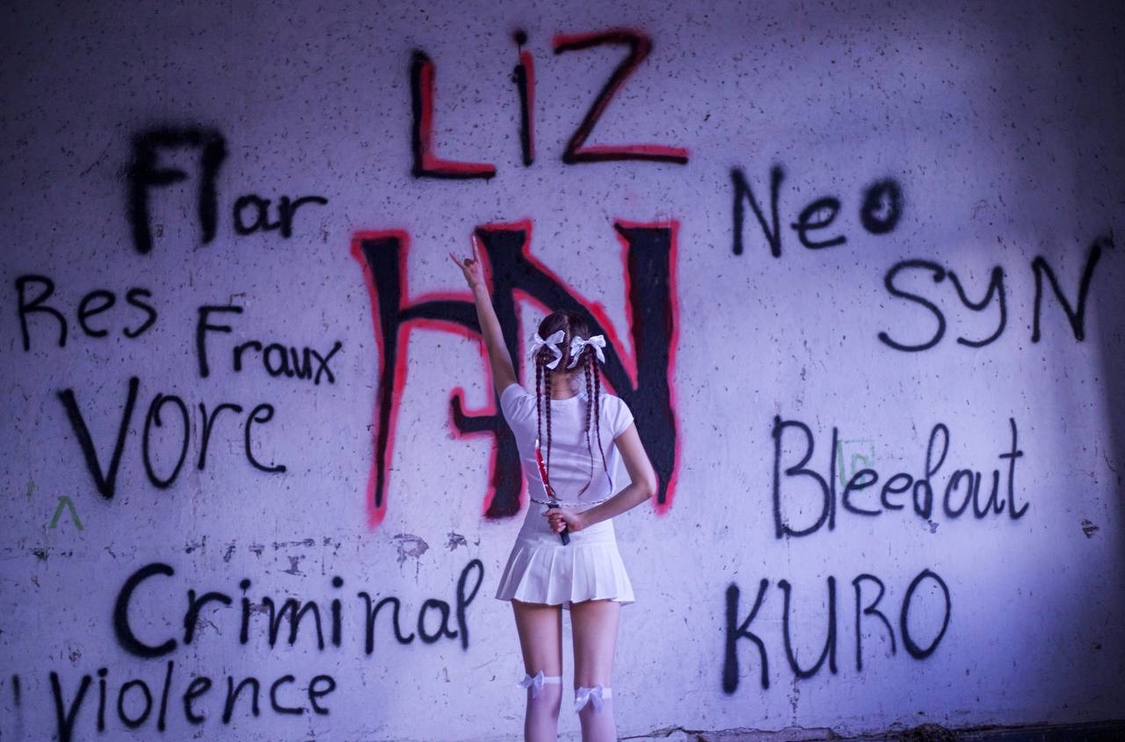
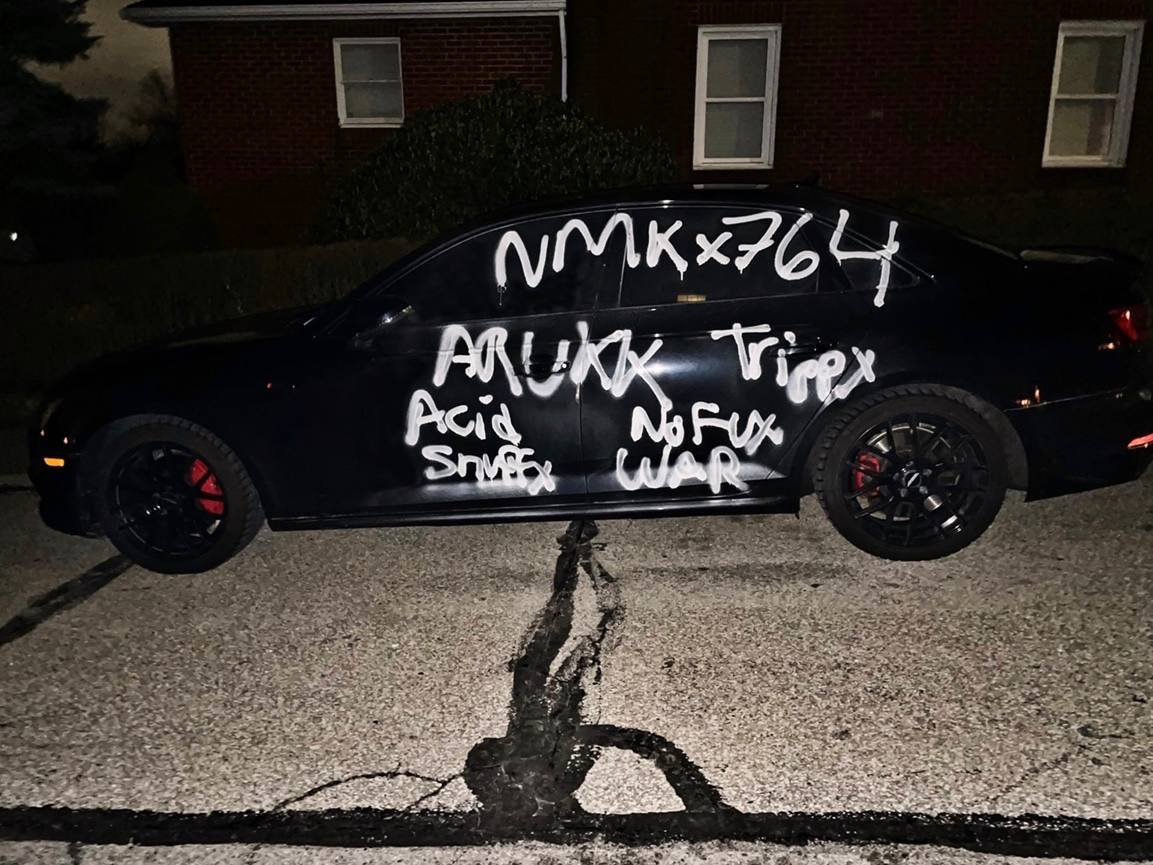
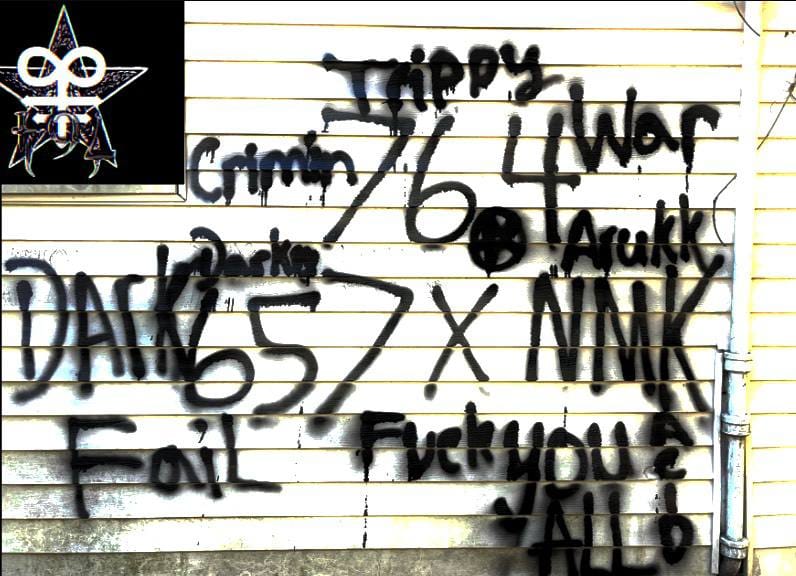
Graffiti, arson, edits of these crimes are also indicators of individuals in a group that are actively recruiting, grooming and inspiring individuals to carry out acts of nihilistic violent extremism. In light of my previous writing on the nesting model used by some groups in this space for the purpose of operational security, the names of the individuals on these types of rosters, would indicate who are the members active in and responsible for the vetting process of prospective members.

Grievance
Personal grievances act as powerful motivators, often guiding young individuals toward these extremist spaces. Many members express feelings of resentment, alienation, or anger toward society, authority figures, or perceived injustices. These communities amplify those grievances, providing an outlet where personal frustrations can evolve into radical or violent actions. In many cases, the narratives offered by these groups align closely enough with members’ existing frustrations to justify or rationalize violent behaviors—even though the actual grievance itself predates any ideological adoption.
In my analysis, grievances emerge as a foundational yet multifaceted catalyst in the progression toward criminality, violent extremism, and radicalization. They represent a subjective experience of injustice—whether stemming from socio-political, economic, or cultural marginalization—that plants the initial seed of discontent. Importantly, these grievances are not deterministic in themselves; rather, they create an emotional climate that renders an individual more receptive to radical narratives. What distinguishes a fertile ground for extremism is not the mere presence of grievance, but its transformation from a generic sense of disillusionment into a deeply personalized and ideologically charged belief system.
I have found that grievances often begin as broad, almost ubiquitous feelings of being wronged, which many might experience at various points in life. However, the transition to a more extreme form of grievance occurs when these feelings are reframed to target specific individuals, institutions, or societal groups. This reframing is typically facilitated by a narrative that offers both an explanation and a remedy. In other words, the personal or collective indignity felt by an individual can be exploited by extremist ideologies that promise a redress of these wrongs. It is within this context that an individual’s initial sense of discontent transforms into a potent motivator for adopting radical positions and, ultimately, for engaging in violent actions.
The interplay between grievances and other risk factors is critical. When grievances are combined with personal vulnerabilities—such as a diminished sense of self-worth or a profound loss of personal significance—and exacerbated by environmental factors like social isolation, exposure to radical networks, or traumatic events, they can set an individual on a path toward extremism. This process involves a complex dynamic where grievances act as "push" factors, creating a sense of urgency or injustice, while additional "pull" factors, such as the allure of an extremist group or ideology, provide a clear direction for addressing those injustices. The synthesis of these elements often results in a self-reinforcing cycle, where the individual becomes increasingly entrenched in a worldview that both rationalizes and demands the use of violence as a means of rectifying perceived wrongs.
Theoretical frameworks in this area have emphasized that the role of grievance is not merely to inspire anger or discontent but to serve as a catalyst for identity transformation. Extremist narratives frequently offer a pathway for individuals to reclaim a sense of value and agency by redefining their experiences of grievance within a broader struggle against an adversarial “other.” In this way, grievances become intricately linked to the loss of personal significance—a critical turning point where the need to restore one’s self-worth and social identity can justify extreme behavior. This perspective underscores the importance of understanding the subjective dimensions of grievance and their potential to escalate into a justification for violence.
Ultimately, while grievances are widespread and can be seen as almost universal human responses to real or perceived injustices, only a specific convergence of factors—where personal vulnerabilities meet reinforcing environmental and social influences—leads to violent extremism. A nuanced, evidence-based approach in assessing and mitigating these risks requires attentiveness to the intensity, context, and transformative potential of grievances. In doing so, it becomes possible to design interventions that address not only the emotional underpinnings of radicalization but also the broader socio-cultural ones.
Ideology: Yes Finally!!
Although ideology is present in these groups, it’s clearly a secondary or tertiary factor; and realistically it mostly serves as a superficial justification for actions already driven by clout and grievance. Members often adopt extremist rhetoric after joining rather than as a primary motivation for initial involvement. Ideology becomes more of a rationalization—used after the fact—to legitimize their pursuit of recognition or to frame their grievances as justified. This highlights why counter-ideological narratives alone fall short as prevention strategies: ideology is not the core issue, but rather a convenient backdrop against which members express their primary motivations.
The concept of ideology is often misunderstood, and the recent writting on how the Com and 764 being non-ideological is incorrect. What is frequently miss understood is the nuance that drives nihilistic violent extremist communities. For instance, ideology played a significant role in the Buffalo shooting; however, the recent shootings by Natalie Rupnow and Solomon Henderson, the rise of violent extremism from the Com Network, and the Crime Gore Community are not devoid of ideology, BUT their primary driving factors are not ideological. Instead, it is the subcultural and aesthetics dimensions of the milieus they are part of, and their desire to be seen and included in those cultures that drive them to mobilize and carry out acts of violence..
These groups are driven by their need for acceptance, obtaining clout, and personal grievances rather than an ideology. While ideological elements exist, I have been noticing that aesthetics often act as the doorhandle into an extreme ideology in these milieus. This concept is particularly relevant to nihilistic violent extremist actors, for whom the act of violence is the end goal in and of itself. Aesthetics, therefore, serve as an "affordance" of the human mind, shaping or suggesting how individuals interact with ideology. Nihilistic violent extremists are more interested in the aesthetic representation of occultism, accelerationism, and national socialism rather than being driven to practice and develop a philosophical understanding of these ideologies. For example, Slain764 (Swedish serial stabber) committed a stabbing not primarily due to the occultic and accelerationist ideologies of No Lives Matter, but to gain clout and a spot on the NLM roster. His victim selection was based on ease (elderly persons) rather than ideological motives.
This raises the question of intent: Is trading in ideological symbology an act of social transgression or ideological affirmation? Does it matter when the end result is the same? The way we conceptualize human behavior influences how we design interventions. If we label these groups as "nonideological" and the public reacts to visible symbols like swastikas, pentagrams, black suns, occultic tridents, etc., the concept of “non-ideology” may not effectively aid in countering radicalization to violence. I’ve also observed that the conceptual infrastructure of "counterterrorism" became less useful when terrorists stopped explicitly identifying with groups and ideologies. This is why the literature from the field needs to shift to reflect the realities on the ground. Now on the flipside, there is literature that suggests grievances and the politics of resentment can be viewed through an ideological lens. Grievance-driven actions are not devoid of ideology, but the distinction between grievance and ideology may be a construct used to exoticize certain types of violence. The field is suffering from an incorrect perception of the influence of ideology on behavior (yes, this is a religion scholar saying this).